Can HRV detect overtraining? What wearables can tell you
Can HRV detect overtraining? Learn why a high reading can be misleading, what app warnings mean and what to check before choosing a wearable.
Can HRV detect overtraining? Learn why a high reading can be misleading, what app warnings mean and what to check before choosing a wearable.
How accurate is phone camera HRV? Compare ECG validation studies, understand signal quality and learn when a camera reading needs a closer look.
Compare frequent HRV tracking with one daily reading. Learn what each approach can tell you, how to choose a routine and when a watch upgrade may help.
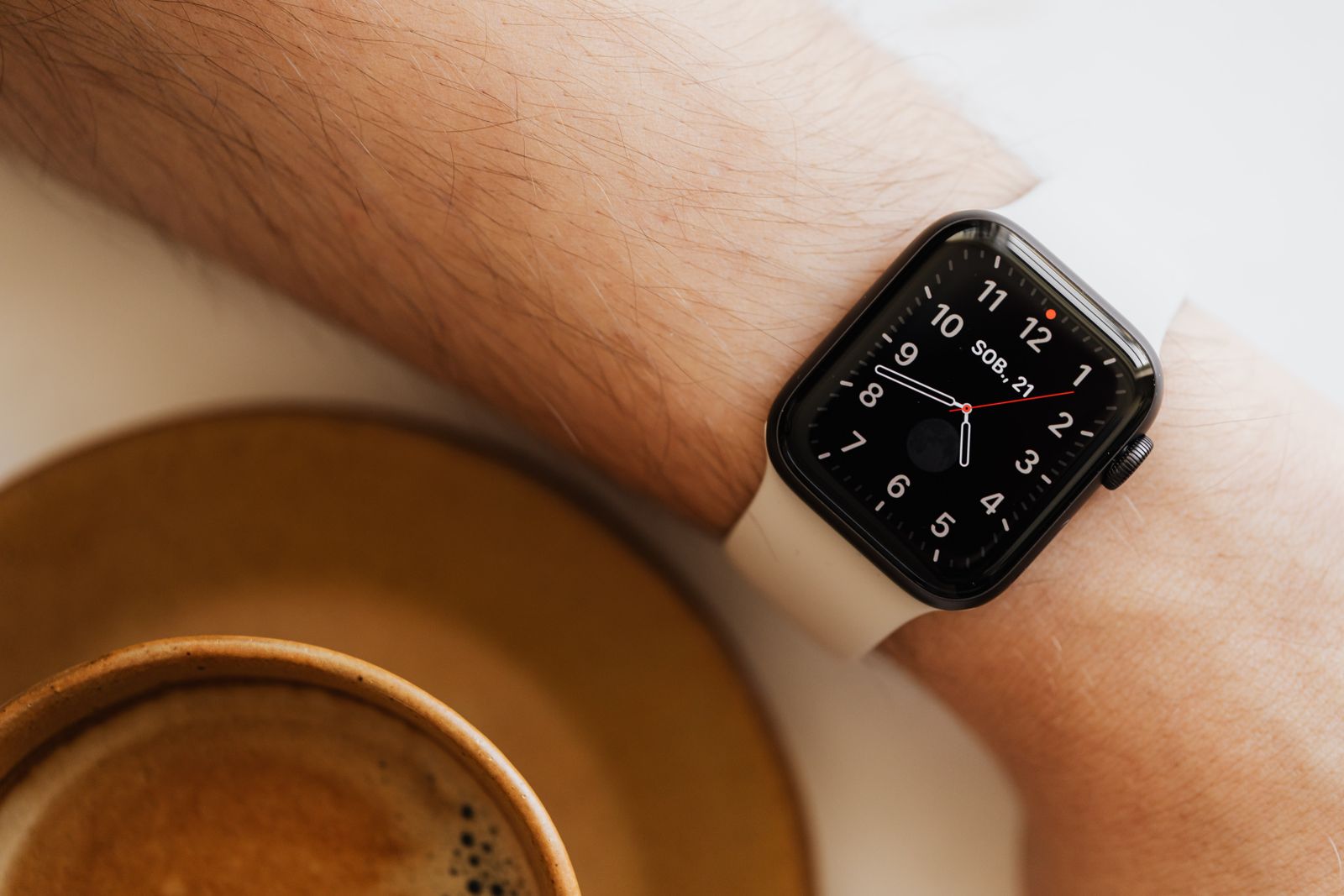
What Recovery HRV means on Apple Watch, where to find it and how to read your average. Check unusual or missing values without confusing HRV with a score.

How often does Apple Watch record your pulse? Compare Series 12 and Ultra 4 with earlier models, workouts and power settings, then check the saved readings.

Apple Watch records sleep while you're awake? Check quiet wakefulness, the original Health entries and app settings before changing your sleep history.

Can dehydration lower HRV? Learn what studies show, why Apple Watch stress scores cannot measure fluid loss, and what to check before drinking more water.
Resting and sleeping heart rate can differ on Apple Watch. Compare Apple Health, Athlytic and Bevel readings, their sources and the time periods they cover.
Apple Watch not tracking naps? Find the saved sleep in Apple Health, check short-session limits and see why a nap may leave an app's nightly score unchanged.

Low HRV during pregnancy? Understand changing Apple Watch readings, stress scores, what to record and when to contact your maternity care team.

Low HRV after flying? Learn how travel and jet lag can affect readings, what to check in Apple Health and when symptoms need medical attention.
Low strain after a hard strength workout? Learn what heart-rate-based scores miss, how to check your Apple Watch recording and what to track alongside the score.

Apple Watch sleep tracking for night shift workers: set up daytime sleep, manage rotating alarms and check which sleep hours your app includes.

HRV sitting vs lying down: learn why posture changes the reading, how to compare measurements fairly and when symptoms need attention beyond a watch score.
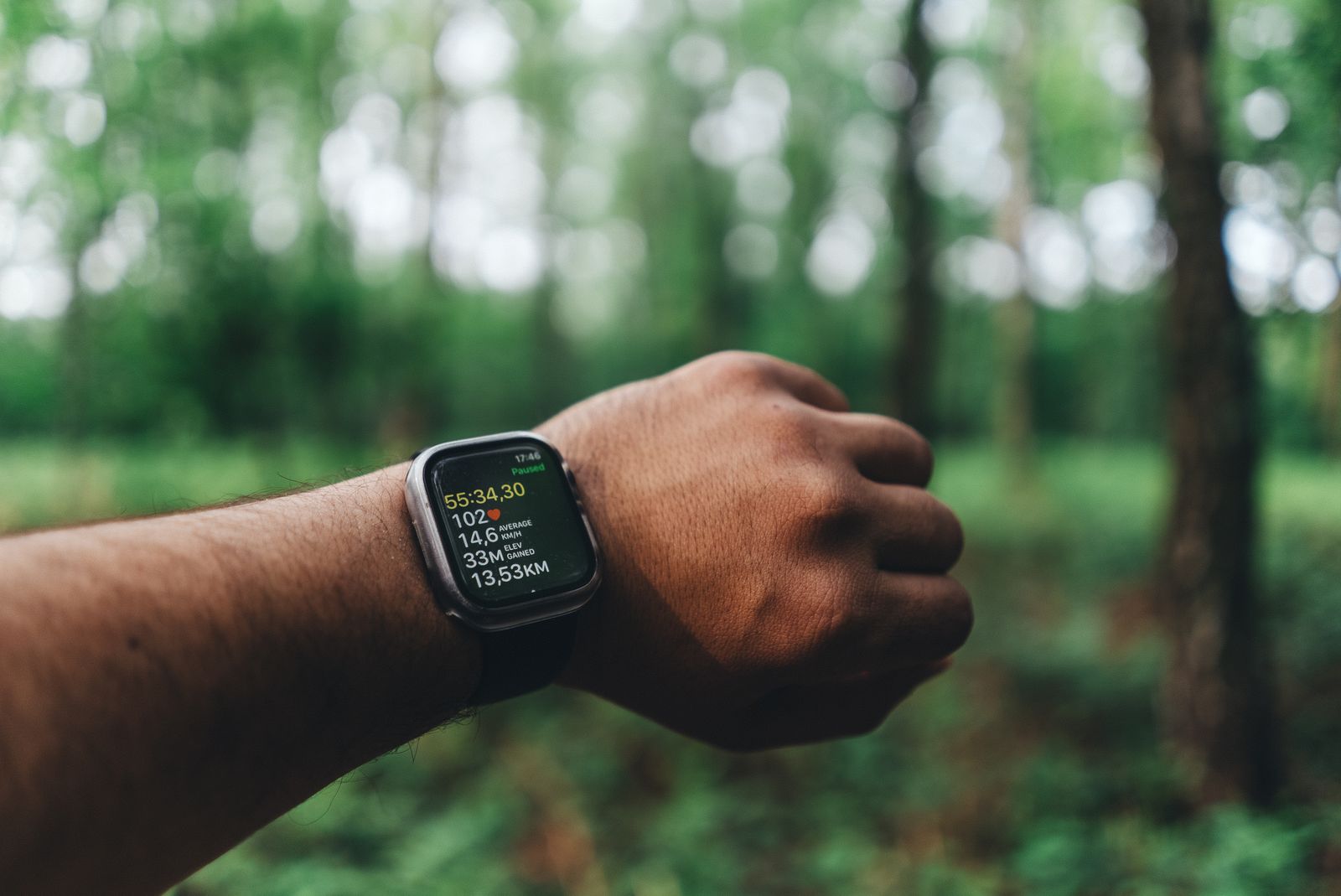
Apple Watch heart rate zones differ between apps? Compare bpm limits, workout records and settings to understand why the same run gets different zone labels.
Apple Watch VO2 max not updating? Check Cardio Fitness records, supported outdoor workouts and sensor data, then distinguish missing readings from app sync.
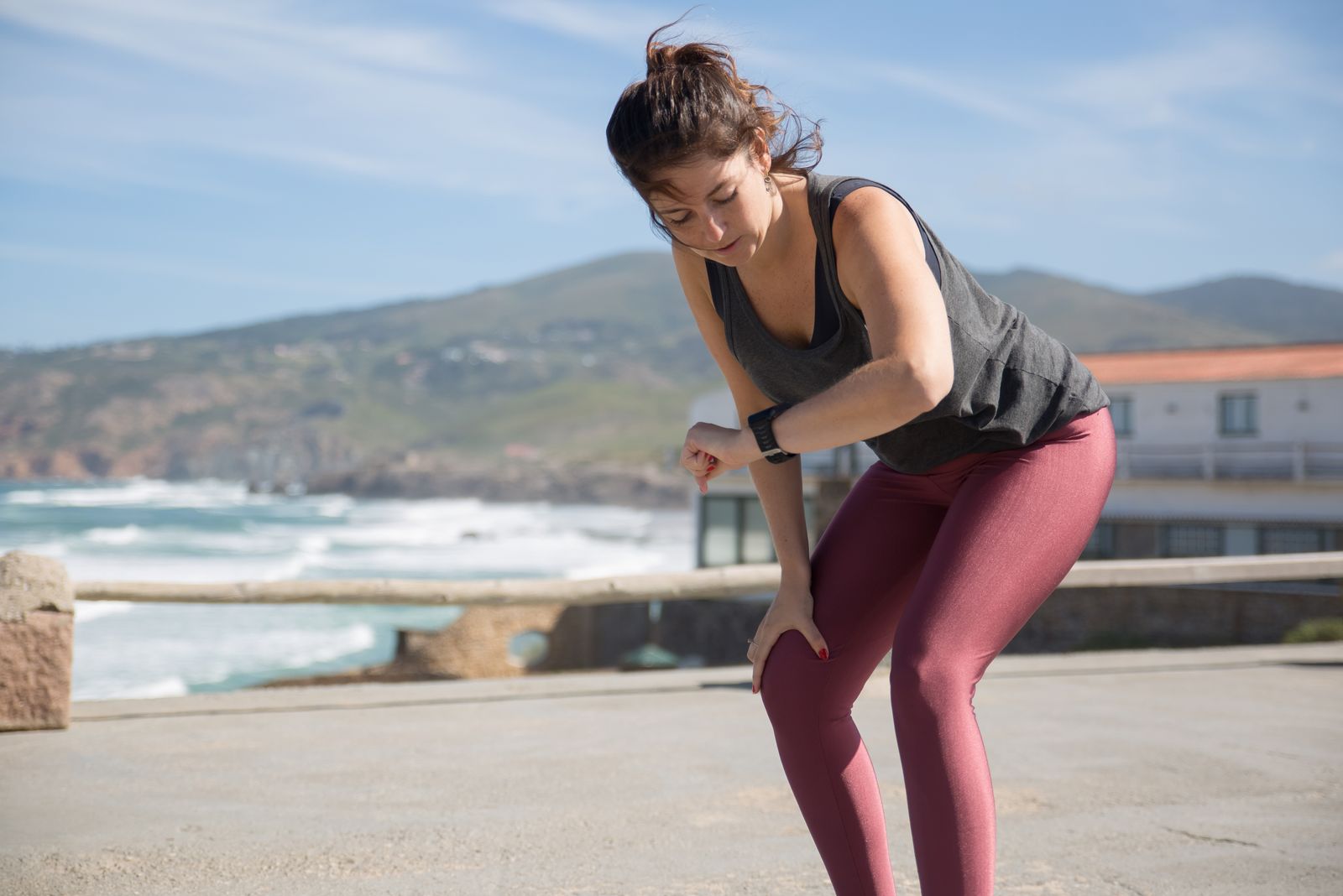
Missing heart rate during an Apple Watch workout? Check the saved readings, watch fit, power settings and app sync before interpreting the session.

Duplicate workouts in Apple Health? Find which app saves the extra copy, check Strava sync, and remove a duplicate without clearing your history.
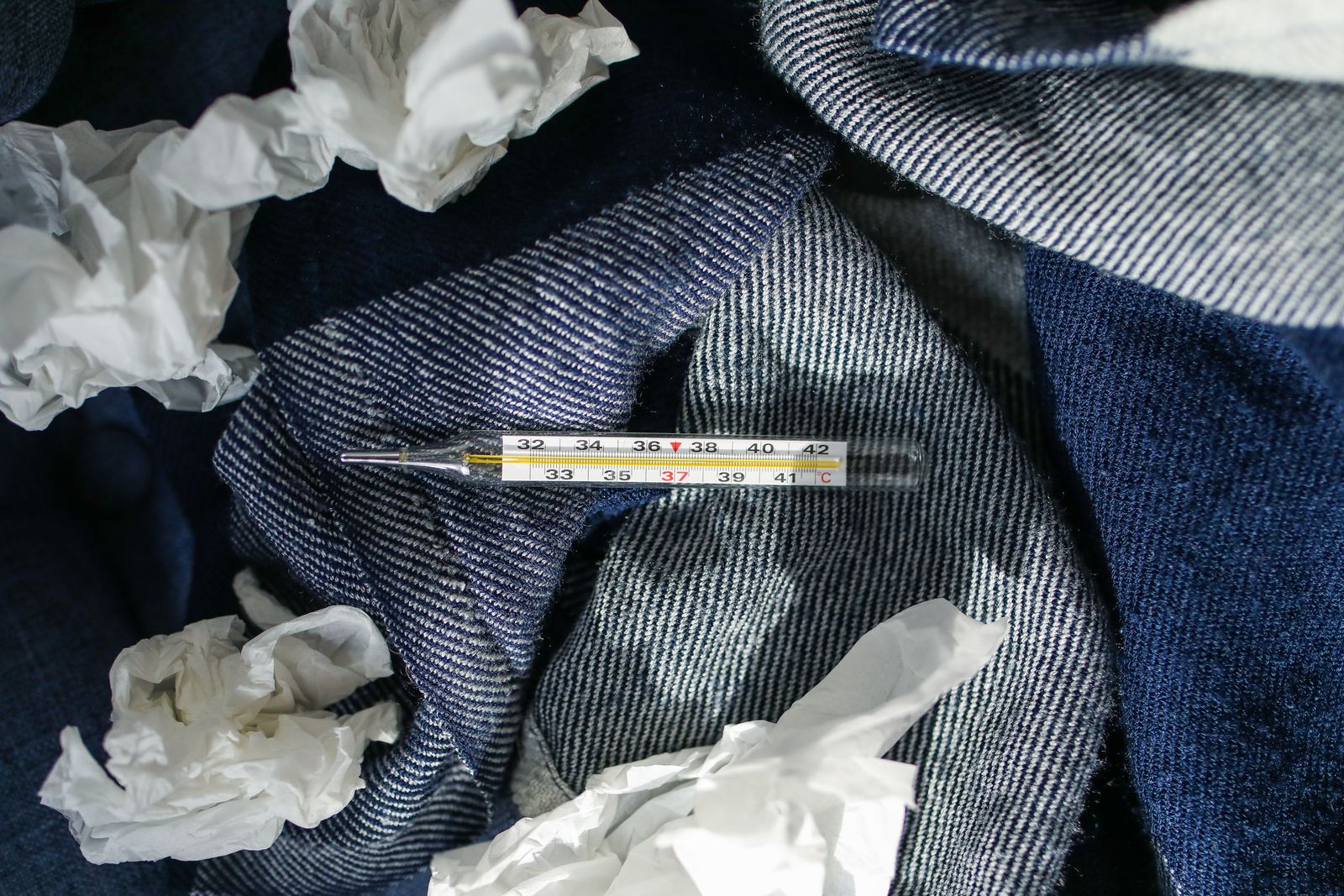
Can an HRV drop mean you are getting sick? See what Apple Watch studies found, why low HRV cannot diagnose infection, and what to check next.
High stress after a hot shower? Learn how heat can affect heart rate and HRV, what to check in your watch app, and when symptoms need medical attention.
Higher Apple Watch HRV after Breathe? Learn how breathing changes the reading, how to check its timing, and which measurements belong in your resting baseline.
Low HRV after exercise? Understand post-workout readings, what research shows about recovery time, and why normal HRV can coexist with soreness.
Feel calmer on ADHD medication but your watch shows high stress? Learn how pulse, HRV and app scores differ, and what to discuss with your prescriber.

High stress after eating? Learn why meals can change heart rate and HRV, how to compare watch readings and when symptoms need medical attention.
HRV can fall before your period. Learn what cycle research shows, how to compare Apple Watch readings and when a lower recovery score needs more context.
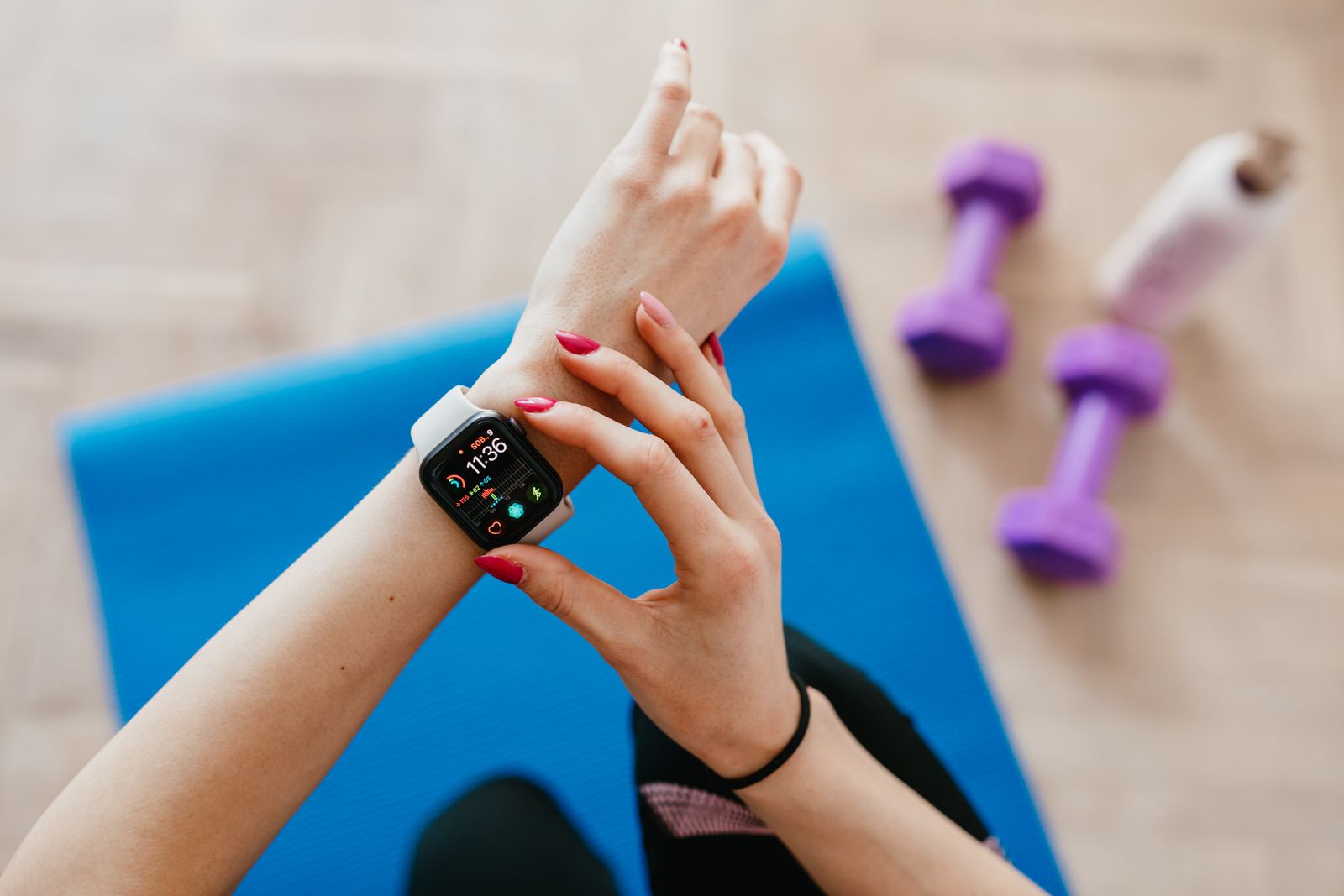
Low cardio recovery on Apple Watch? Check the workout finish, cool-down and recorded pulse before comparing numbers. Learn what the different recovery labels mean.

Alcohol can lower overnight HRV and raise heart rate. Learn what studies show, how to compare Apple Watch readings and why recovery scores need context.
Why can Garmin rate a night poorly while Apple Watch rates it highly? Compare sleep tracking, score priorities and what to check when the numbers disagree.
Apple Watch sleep stages missing? Learn why sleep can show as Asleep without REM, Core or Deep, and check the source, tracking setup and app permissions.

Low HRV but feel fine? Check your baseline, measurement timing, sleep and recent training before interpreting a low Apple Watch reading or recovery score.
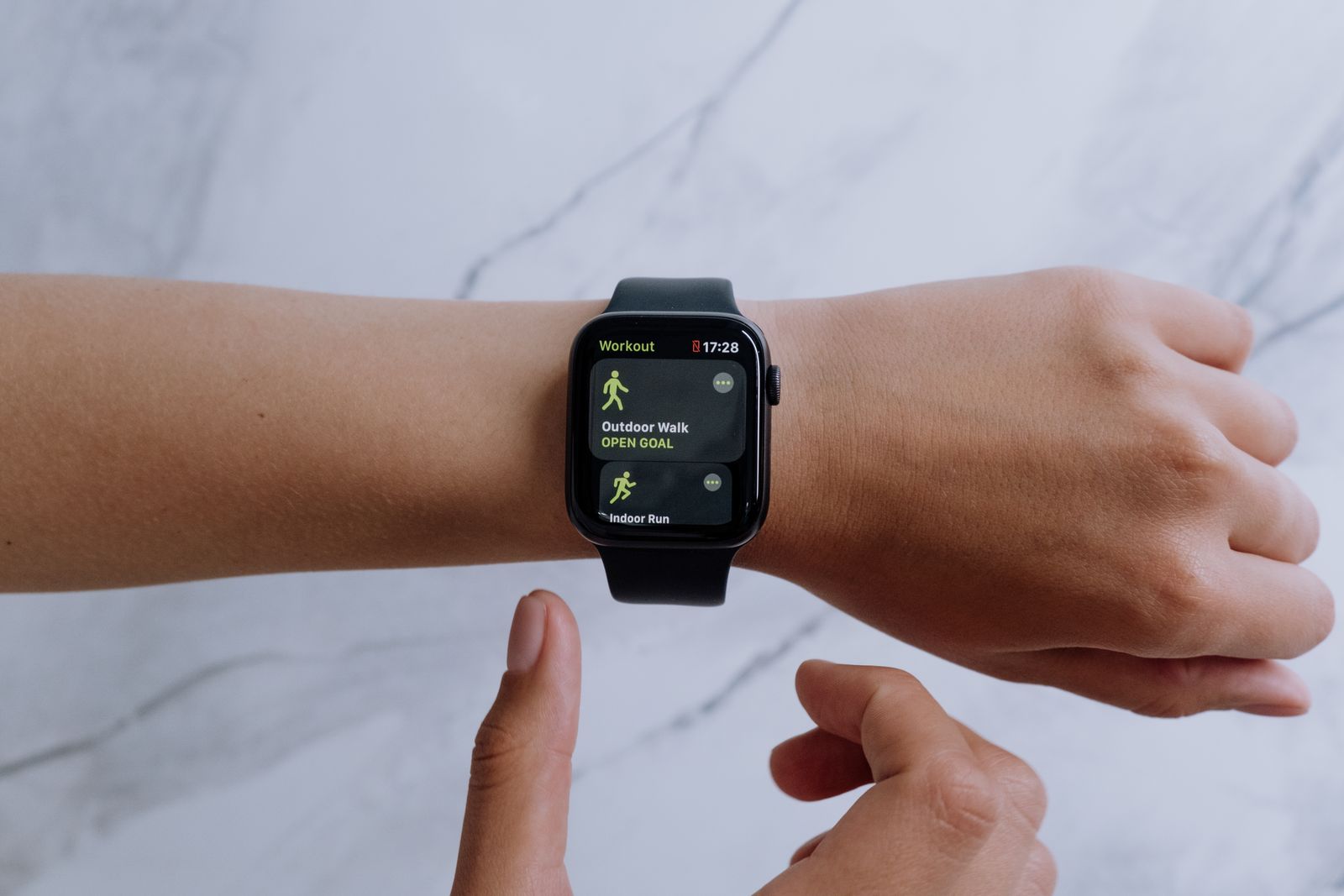
Different HRV readings in Bevel, Athlytic, StressWatch or Welltory? Compare formulas, timing and recovery scores from the same Apple Watch with this guide.
Compare ten apps for HRV, stress and recovery, with practical reasons to choose each, purchase models and links to their current features.
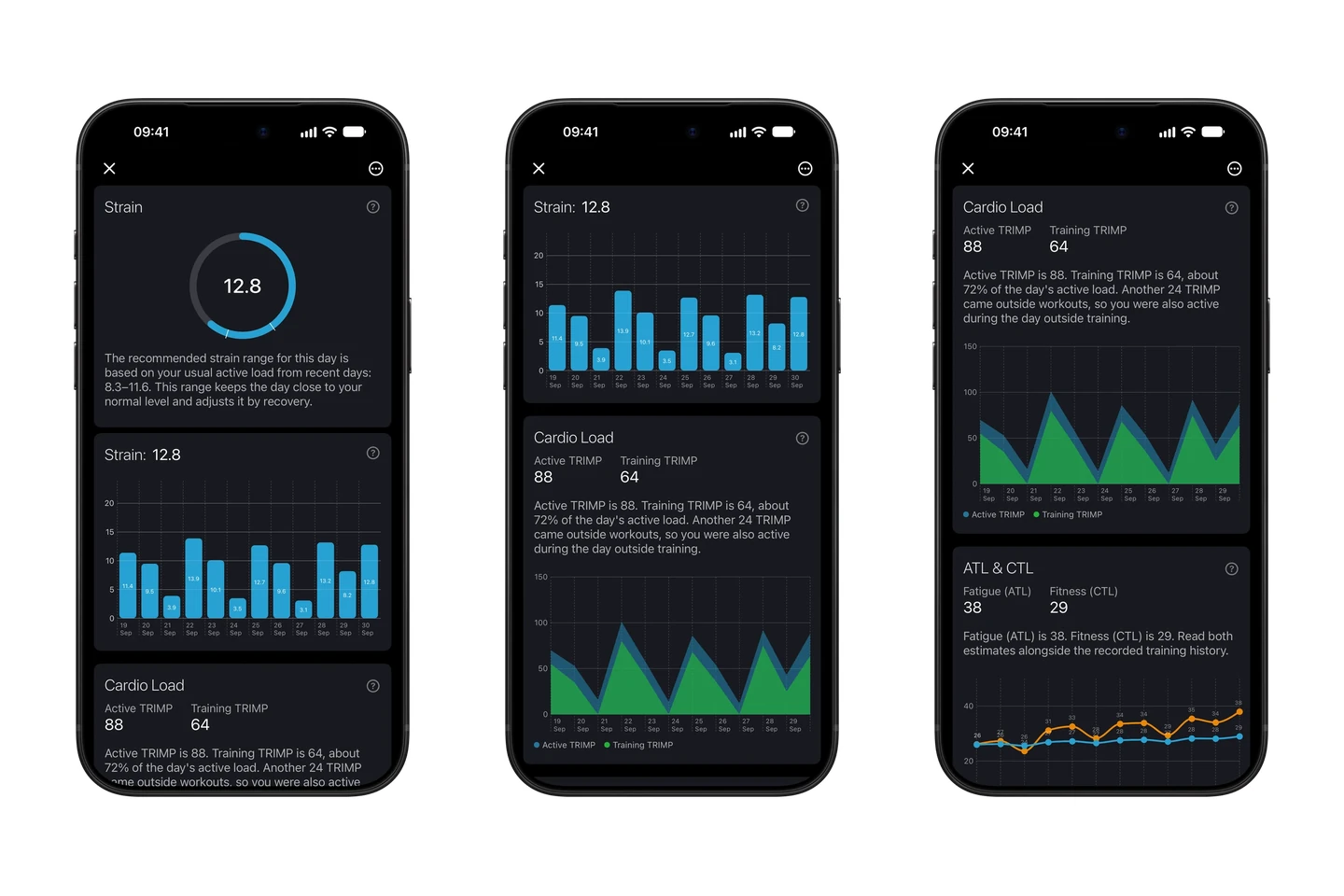
Learn how daily and workout Strain differ, why the 0–21 scale is nonlinear, and how to read your personal range, TRIMP and training load. Includes 14 app screenshots.
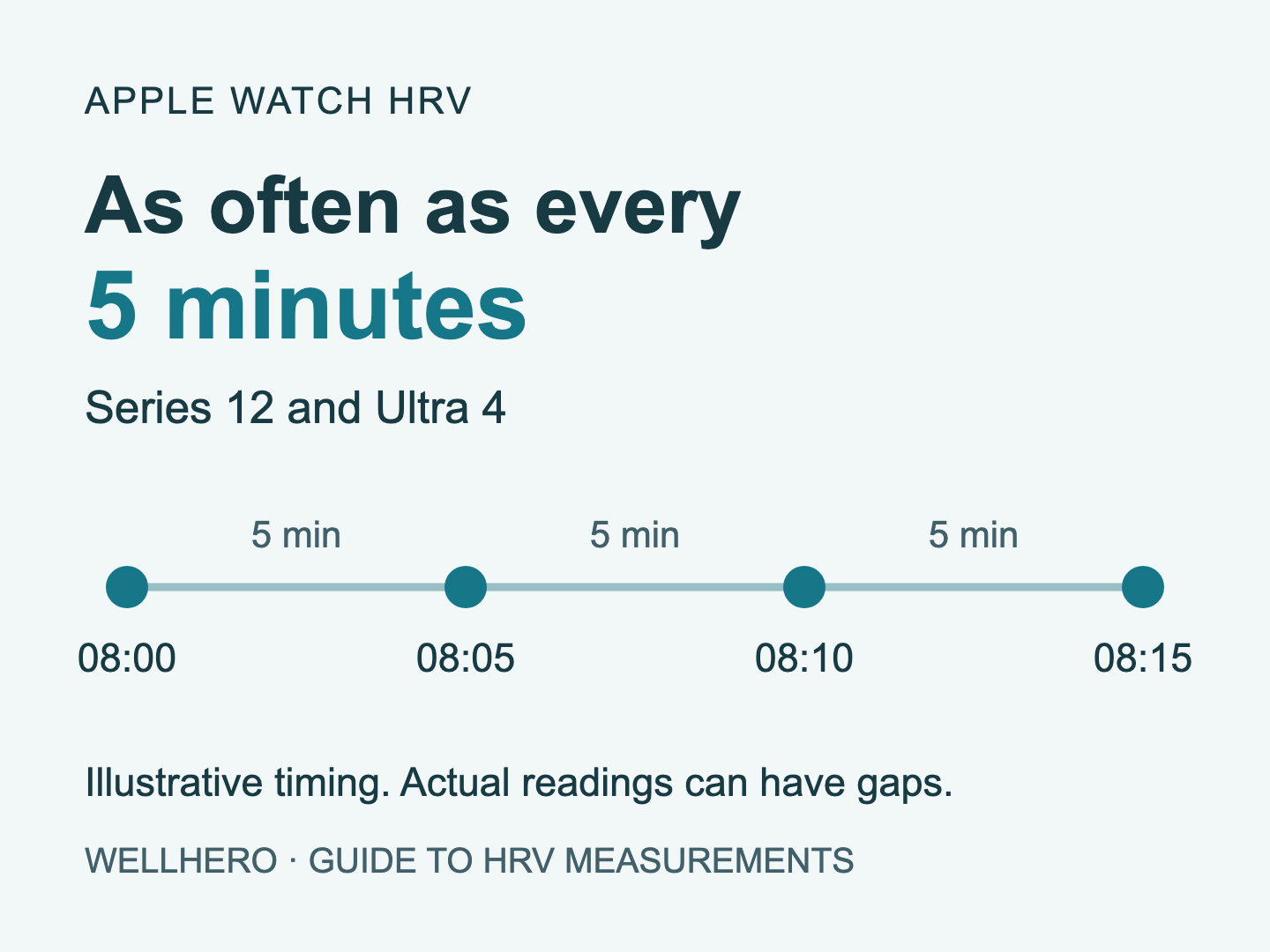
Series 12 and Ultra 4 can measure HRV as often as every five minutes. See how earlier watches differ, what happens during sleep, and how to check your actual recording times.
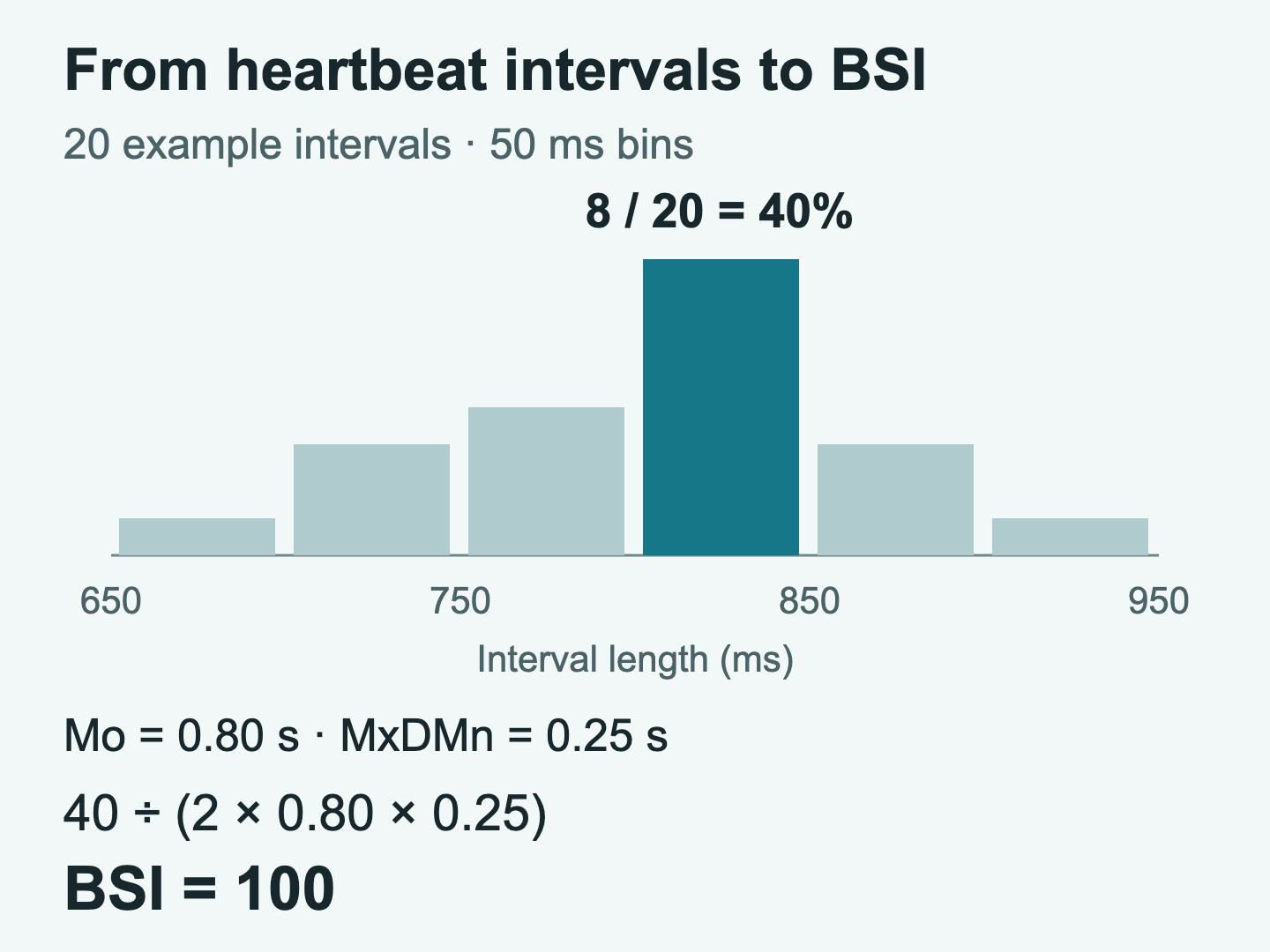
Understand the BSI formula with a worked example, learn what high and low values mean, and compare the original index with stress percentages and the Kubios scale.
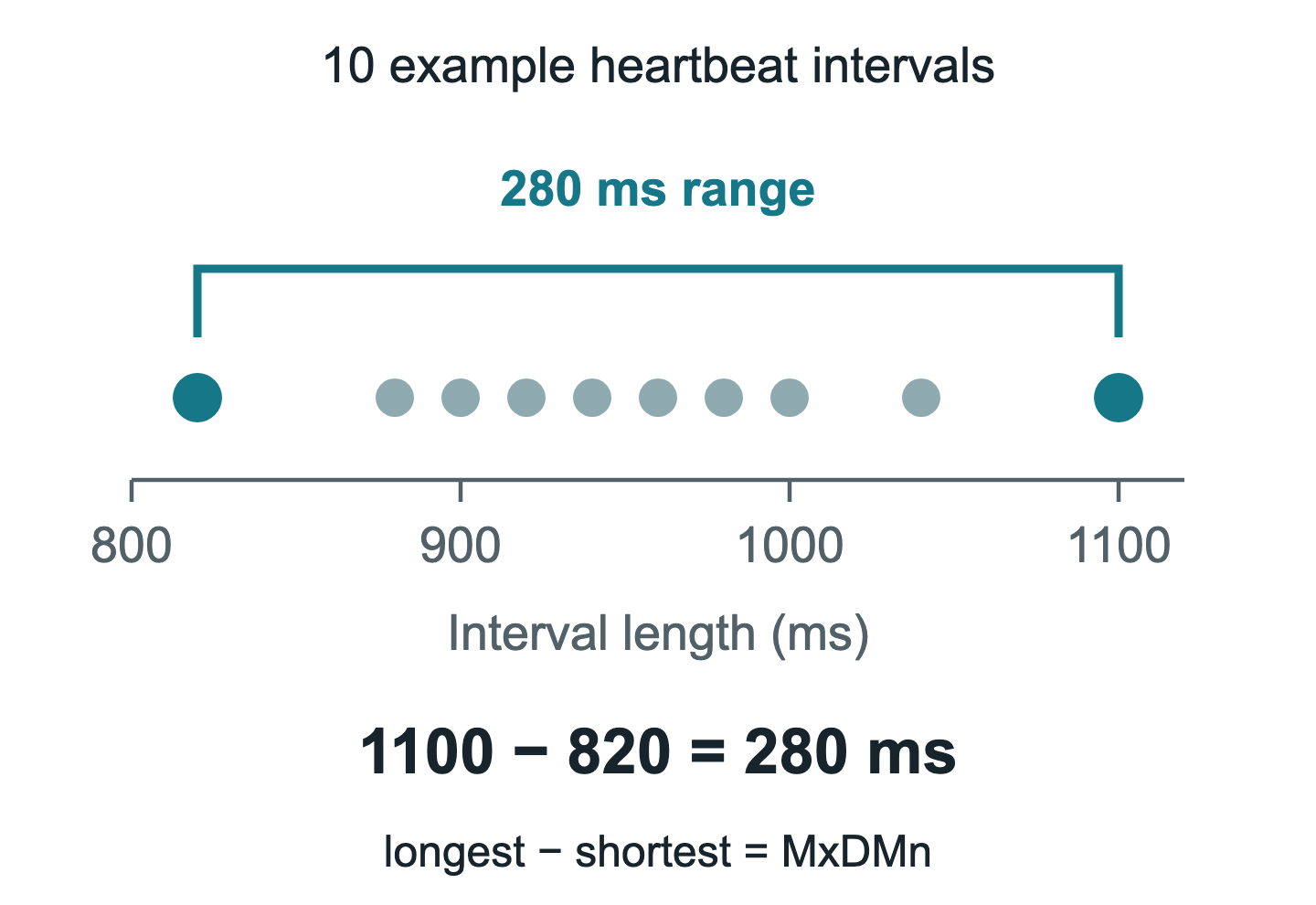
See how the longest and shortest heartbeat intervals determine MxDMn, why extreme values matter, and how to read the result alongside AMo50 and Stress Index.
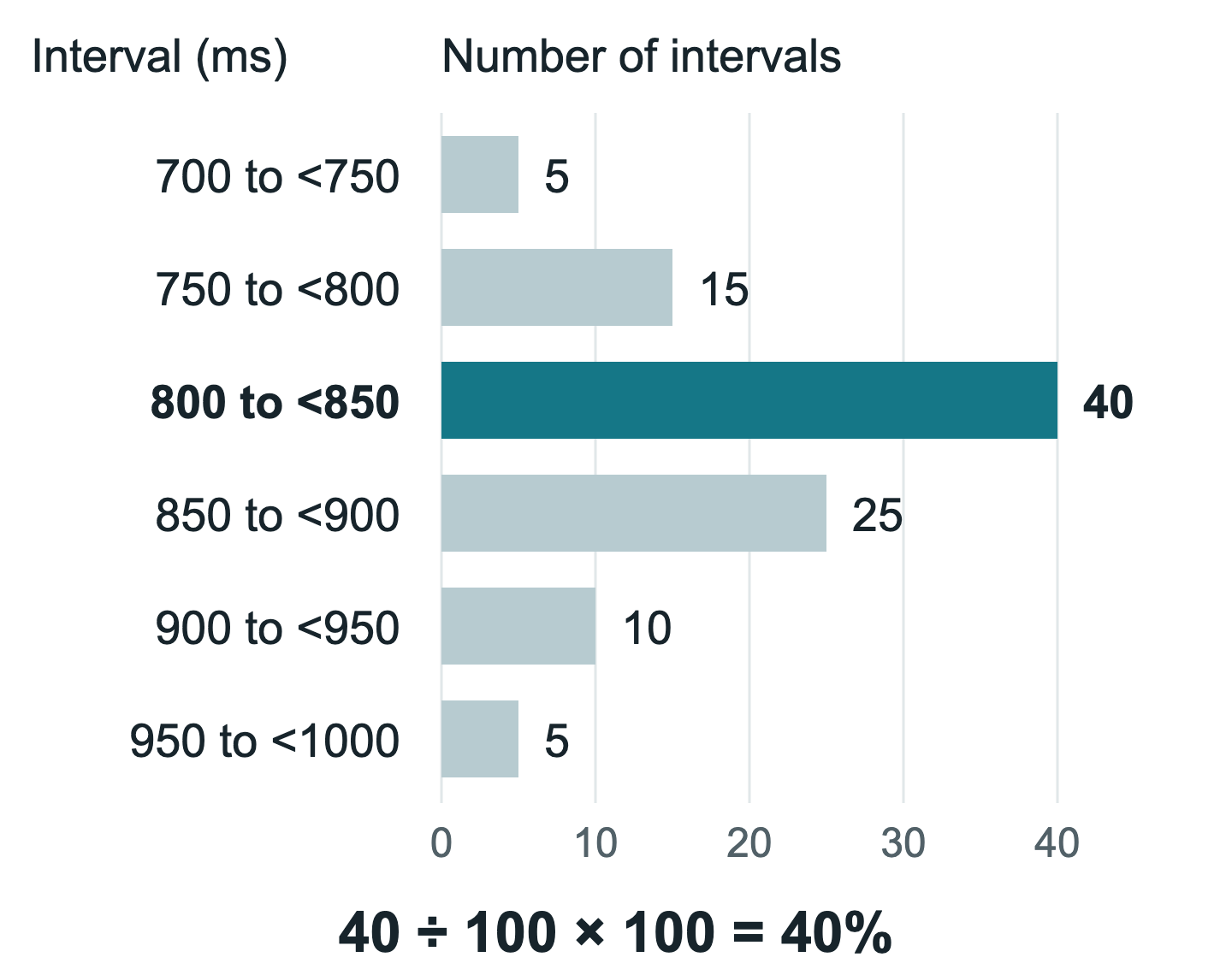
Understand the percentage in your HRV report, see a worked example, and learn how AMo50 differs from pNN50 and contributes to Baevsky Stress Index.
What HRV and stress scores can tell you, how cortisol is tested, and how to follow your readings with Wellhero.